

Weight-loss medication, always with medical guidance
Weight-loss medication based on GLP-1 curbs your appetite, making weight loss achievable. At Lean Clinic you never get the medication on its own: a doctor first assesses whether treatment suits you, and along the way you follow an online programme with a team that keeps an eye on your progress.
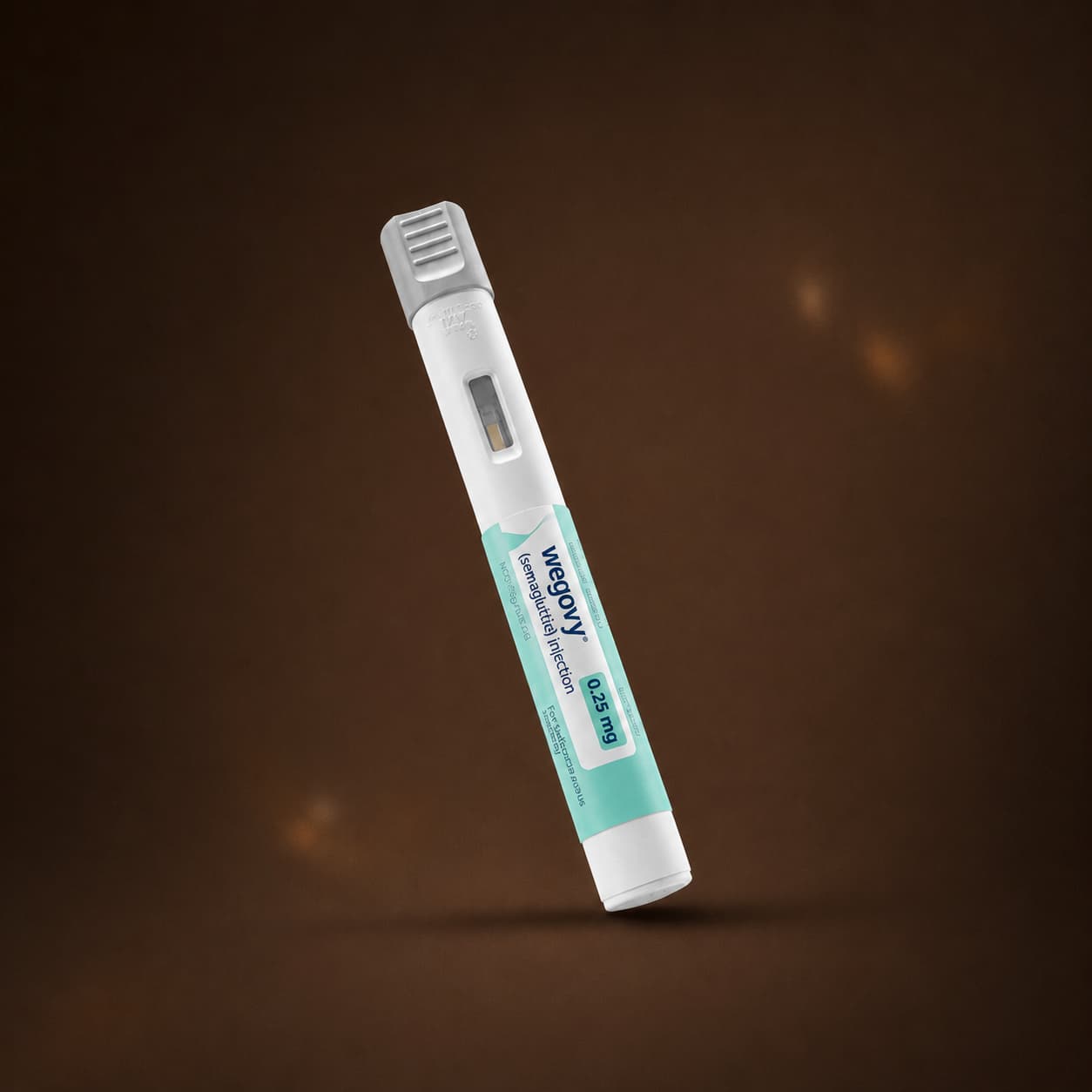
Wegovy
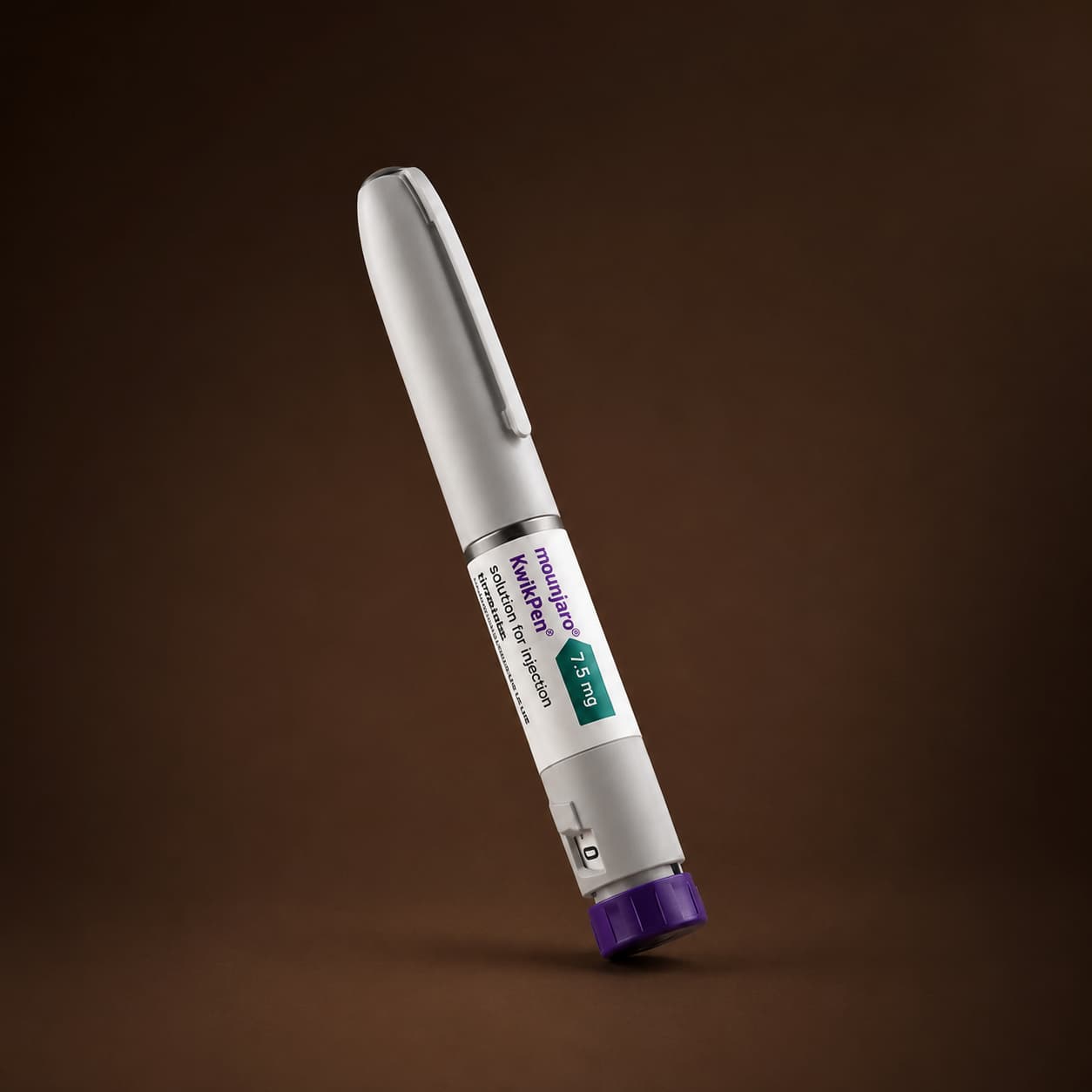
Mounjaro
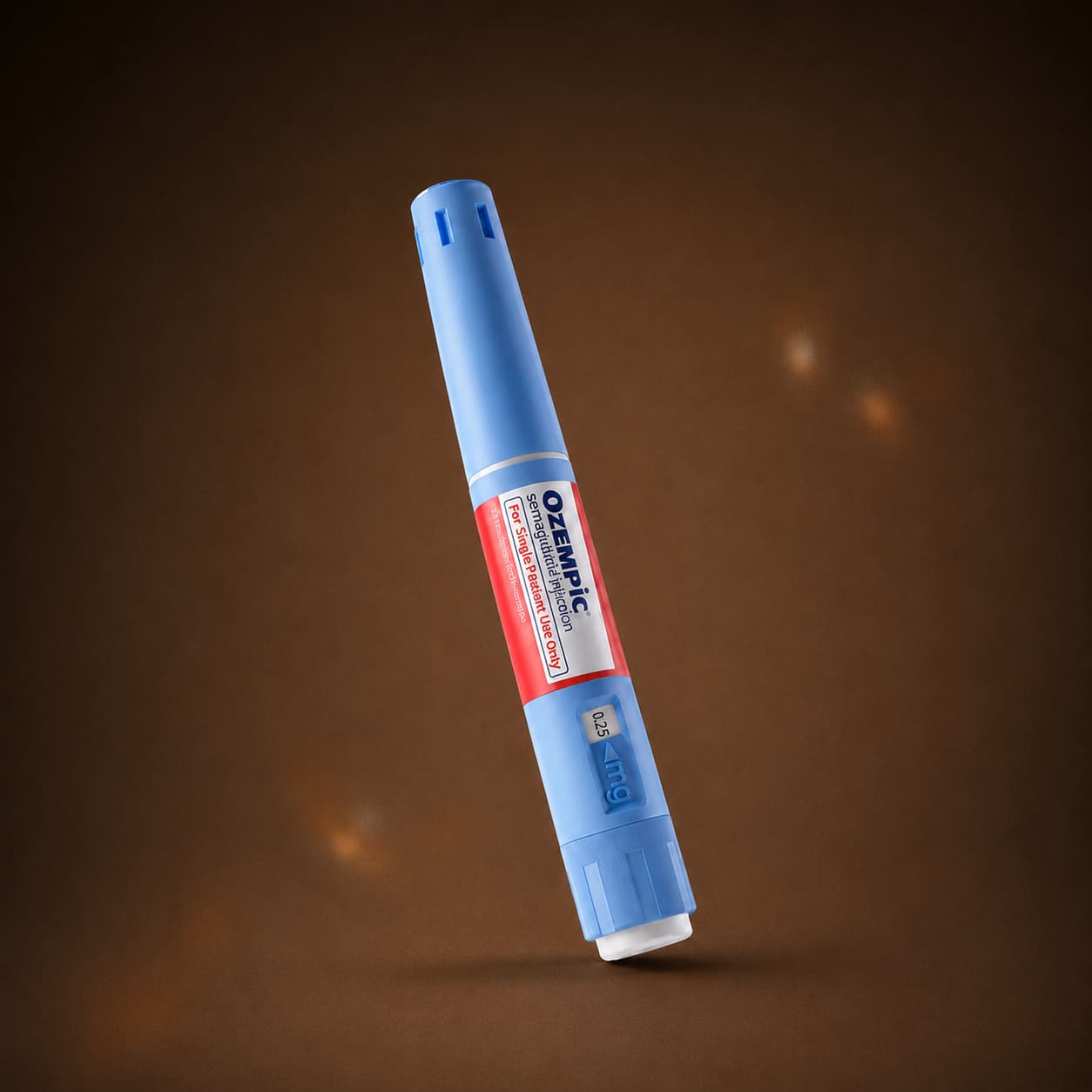
Ozempic
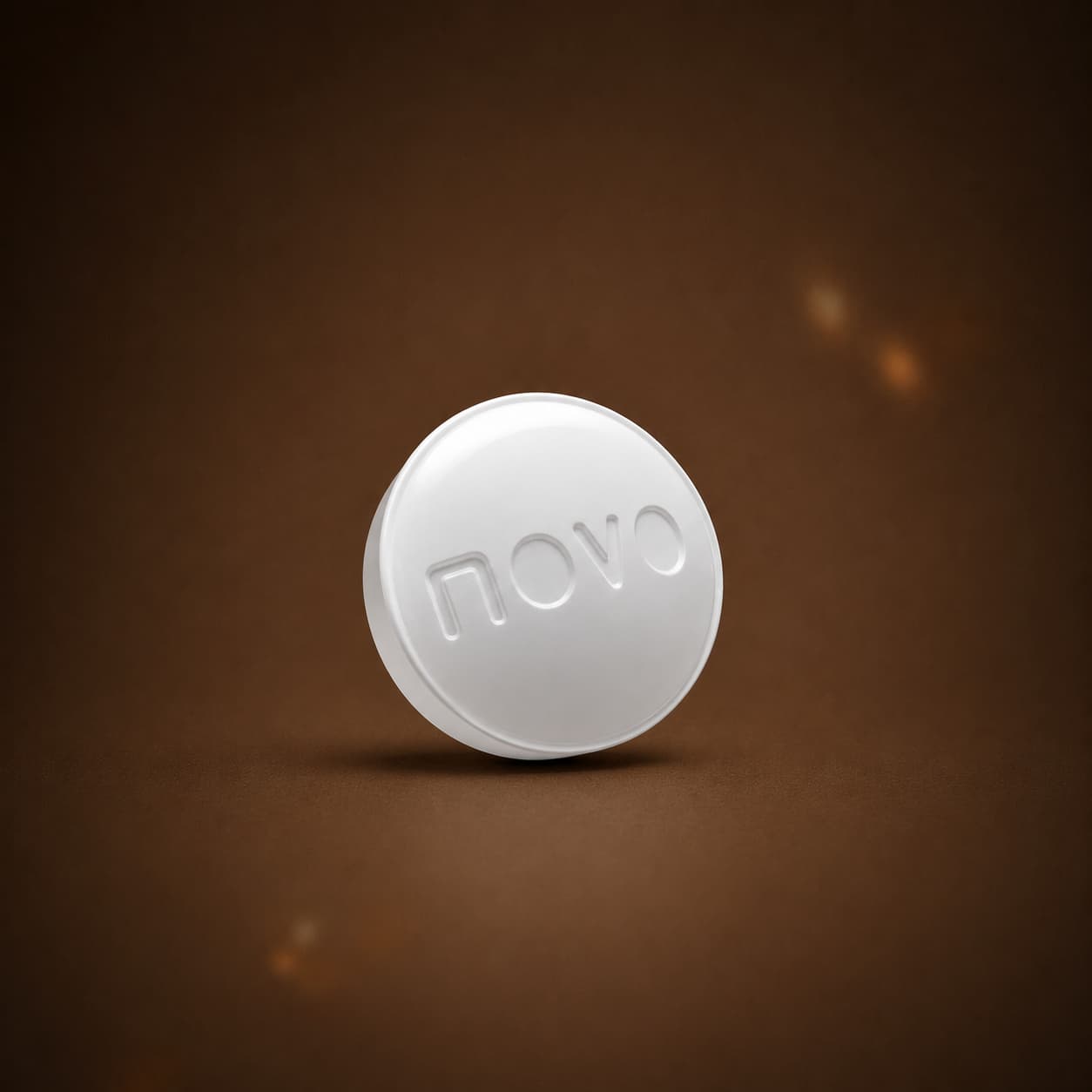
Wegovy pil
Coming soon, not yet available in the Netherlands
More information
Foundayo
Not yet approved in the EU, not yet available in the Netherlands
More informationStill weighing up the treatments? See the comparison
Which weight-loss medication is available in the Netherlands?
Almost every weight-loss medicine prescribed today belongs to the same family: the GLP-1 agonists. They mimic a hormone your gut releases as soon as you eat. You notice sooner that you have had enough, and that feeling lasts longer. Everything described below is a prescription-only medicine, and a doctor first assesses whether it suits you.
Three active substances come up most often. Semaglutide is in Wegovy and in Ozempic. Wegovy is authorised in Europe for weight management, Ozempic for type 2 diabetes, so using Ozempic for weight loss is off-label. Tirzepatide is in Mounjaro and acts on two receptors at once, GIP and GLP-1. Liraglutide, better known as Saxenda, was the first of the group and needs a daily injection rather than one a week.
Something is coming in tablet form too. The Wegovy pill with semaglutide received a European marketing authorisation in July 2026 and is expected in the Netherlands. Orforglipron, which will carry the brand name Foundayo, is still going through registration. For a lot of people the needle is the biggest hurdle, so that will help.
Older, and a different thing entirely, is orlistat, which you may know as Xenical or Alli. It blocks part of the fat you absorb in your gut, so it does not work through your appetite. Which medicine fits you is not a ranking but a medical judgement: your doctor looks at your health, your history and how you respond to a medicine.
Lean Clinic works with Wegovy, Ozempic and Mounjaro. Our doctors do not prescribe Saxenda or orlistat.
Who is weight loss with medication meant for?
The guidelines draw the line at a BMI of 30. Between 27 and 30 treatment is possible too, but only if there is a health problem linked to your weight. High blood pressure, for instance, or prediabetes, type 2 diabetes, sleep apnoea or worn knees. We treat adults between 18 and 75.
A number like that is not an entry ticket. Two people with exactly the same BMI can get different advice, because the doctor also looks at your blood pressure, your medication, previous surgery and what you have already tried. Anyone at higher risk is declined upfront. That stings, and it is exactly what the assessment is for.
For some people this medication simply is not suitable, however much they want it. If you are pregnant, trying to conceive or breastfeeding, we prescribe nothing. The same goes for a history of pancreatitis, for medullary thyroid cancer or MEN2 in the family, and for an active eating disorder.
Not sure what your BMI is? Calculate your BMI
Is weight-loss medication covered by insurance?
No. GLP-1 medication for weight management is not part of the Dutch basic health insurance. In July 2024 the National Health Care Institute advised against adding semaglutide for obesity to the basic package, and the minister followed that advice. While that stands, you pay for treatment yourself.
A reassessment is under way. In November 2025 the Institute announced a phased approach: Wegovy and Mounjaro are being assessed first for the two groups with the highest disease burden, people with a BMI from 30 who have a weight-related condition and people with a BMI from 35. No decision has been made yet. One obesity medicine is reimbursed under conditions, liraglutide (Saxenda), but our doctors do not prescribe it. Your GP can tell you whether you qualify.
Supplementary policies usually do not cover the medication either. What some policies do partly reimburse is a combined lifestyle intervention or a dietitian. Check your policy conditions or call your insurer. Only they know what your policy covers.
We do not state the price of the medicines themselves anywhere on this site. That is not allowed for medicines available on prescription only. If you want to know what a specific medicine costs at the pharmacy, look it up on medicijnkosten.nl, run by the National Health Care Institute. Your own pharmacy can tell you too.
What treatment actually looks like
From questionnaire to maintenance dose takes roughly four months. The coaching continues after that. Here is how it goes.
Day 1 · the questionnaire
You fill in how your health is doing, online. About ten minutes of work. You can stop halfway and pick it up later.
Within a few days · the consultation
A BIG-registered doctor reads your answers and speaks to you online, including the legally required identity check. If the treatment does not suit you, you hear it here.
Weeks 1 to 4 · the starting dose
You deliberately start low. Not to draw it out, but because your stomach and gut need to adjust. Most people notice in these weeks that they feel full sooner and think about food less.
Week 5 onwards · stepping up
If it is going well, your doctor raises the dose. If you have complaints, you stay on the same step longer. Nausea, constipation and diarrhoea belong to the first weeks and to every increase. Usually they settle within a few days.
Every week · your check-in
You log how your weight, your energy and any side effects are developing. Your doctor and coach read along and adjust where needed.
After three and six months · review
If it delivers too little, that is an outcome too. You discuss with your doctor whether continuing makes sense or whether tapering off is wiser.
What happens when you stop?
The honest answer: part of the weight often comes back. In the follow-up to the STEP 1 trial, participants regained on average about two thirds of the weight they had lost within a year of stopping. That is not because you are doing something wrong. Once the medicine has left your body, your old hunger returns.
Which is why medication is never the whole story here. The months in which your appetite is quiet are the months you use to build something else: regular meals, more protein, strength training, better sleep. That is what the lifestyle programme and your coach are for. And you do not stop overnight either, you taper off together with your doctor.
Beyond the scale
What our clients also experience with Lean Clinic.
Besides weight, we also track other changes in our app. Averages from 6 months onward.
average reduction in waist size
systolic reduction, from 145 to 131 mmHg
currently feels good or excellent
recommends Lean Clinic


Questions about losing weight with medication
Sources for the figures: Wharton S, Freitas P, Hjelmesæth J et al. Once-weekly semaglutide 7,2 mg in adults with obesity (STEP UP): a randomised, controlled, phase 3b trial, The Lancet Diabetes & Endocrinology (2025); 13: 949-963Tirzepatide Once Weekly for the Treatment of Obesity, The New England Journal of Medicine (2022)
Wondering whether treatment suits you?
Fill in the questionnaire, it takes about 10 minutes. A doctor reviews your situation and advises whether the treatment suits you.
Start the questionnaireNo obligation · cancel monthly
Blog about medical weight loss
Read our articles about medical weight loss, lifestyle, nutrition, medication, obesity, exercise and healthy living.
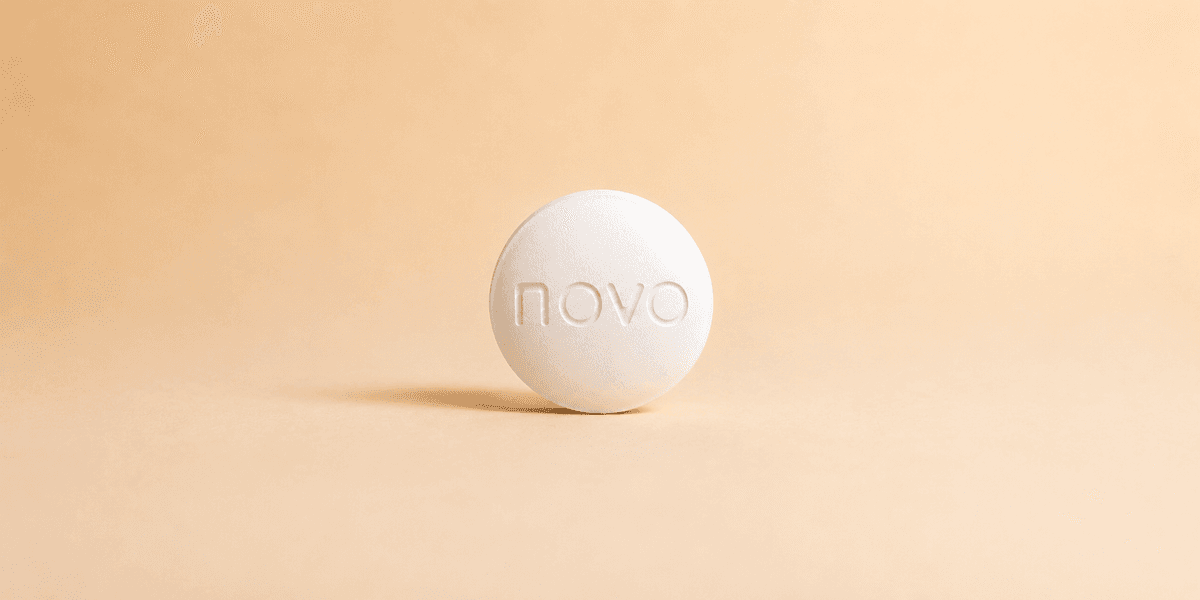
Wegovy pil goedgekeurd in Europa: de eerste GLP-1 pil voor gewichtsbeheersing
De Europese Commissie heeft de Wegovy pil goedgekeurd als eerste GLP-1 pil voor gewichtsbeheersing in de EU. Wat is er precies goedgekeurd en wanneer komt de pil naar Nederland?

Orforglipron (Foundayo): wat de GLP-1-pil kan en wanneer hij hier is
De FDA keurde orforglipron op 1 april 2026 goed als Foundayo, de eerste GLP-1-pil zonder eet- of drinkvoorschriften. Wat de ATTAIN-studies laten zien, welke bijwerkingen erbij horen en wanneer het middel in Nederland te verwachten is.
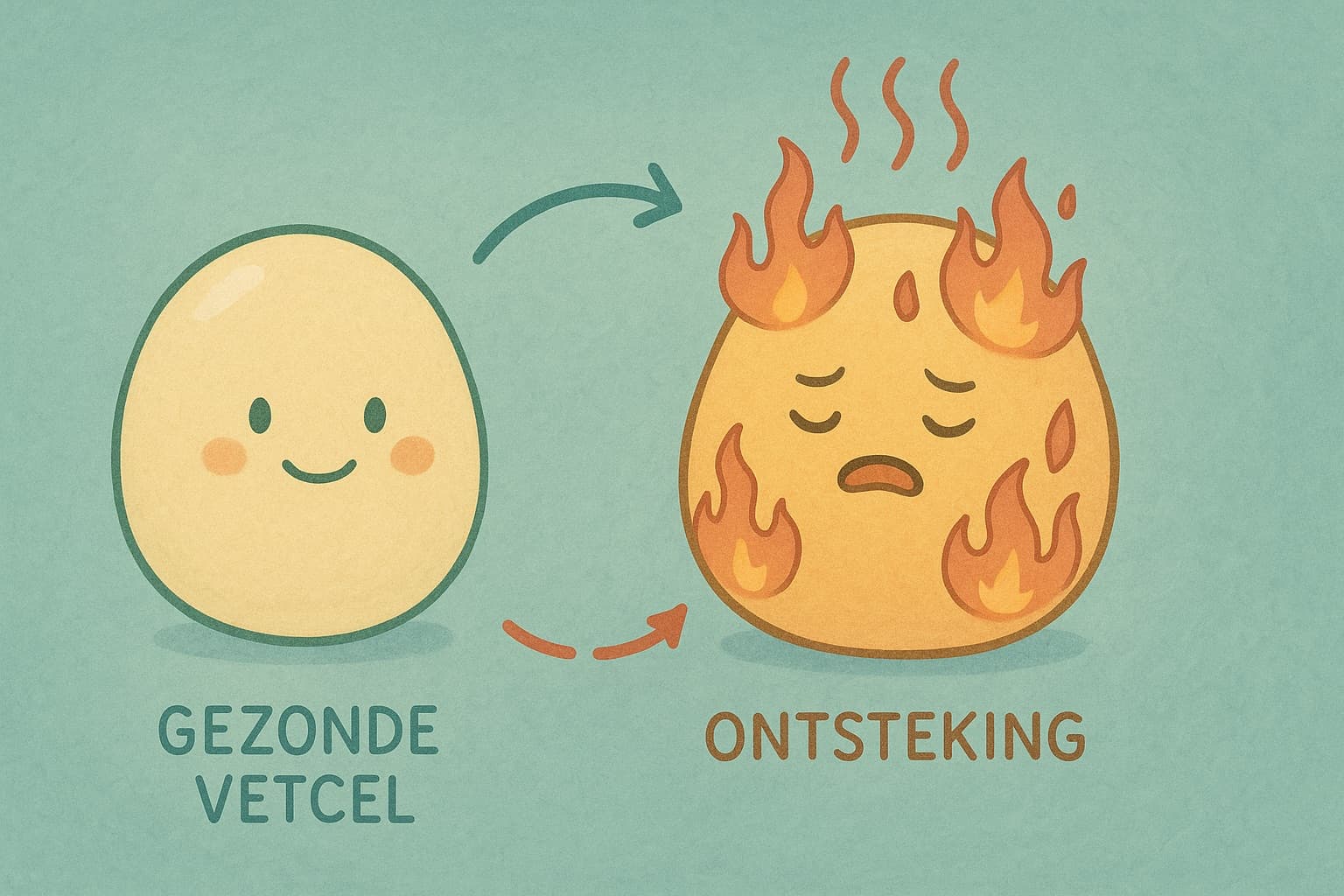
Ontsteking en obesitas: waar start de vicieuze cirkel?
Een diepgaande blik op de complexe relatie tussen obesitas en chronische ontsteking, hoe ze elkaar versterken, en hoe leefstijl en nieuwe behandelingen zoals GLP-1 medicatie deze cirkel kunnen doorbreken.