

BMI calculator for women
Women naturally have a higher body fat percentage. Hormonal phases like PCOS, pregnancy and menopause affect your weight and fat distribution. BMI is still a good starting point.
- Normal
- up to 80 cm
- Increased risk
- 80 – 88 cm
- High risk
- above 88 cm
In cm of meters.
In kilogram.
Why weight works differently in women
Women naturally store fat around the hips and thighs (the pear shape). That fat is less harmful than belly fat. But fat distribution shifts with age and hormonal changes, particularly around menopause.
That matters. Postmenopausal women store more fat around the abdomen, which raises the risk of cardiovascular disease and type 2 diabetes. BMI doesn't capture this, but waist circumference does.
- Cardiovascular disease
- The risk rises especially after menopause, as abdominal fat increases.
- Type 2 diabetes
- Insulin sensitivity decreases with excess weight.
- Menstrual irregularities
- Excess weight can lead to irregular or absent periods.
- PCOS and reduced fertility
- Fat-related hormonal changes worsen PCOS symptoms.
- Joint complaints
- Extra weight puts strain on the knees and hips over time.
The role of hormones
Polycystic ovary syndrome often goes hand in hand with insulin resistance and makes losing weight harder. Even 5 to 10% weight loss can lead to better hormonal balance, more regular periods and improved fertility.
During pregnancy or breastfeeding, weight-loss medication is not appropriate. After you stop breastfeeding and have had at least 6 months to recover, treatment can be considered, always in consultation with your doctor.
Falling oestrogen levels lower your resting metabolism and shift fat storage towards your abdomen. A gain of 2 to 5 kg is common during this period, even without any changes to your lifestyle.
With a BMI of 30 or above, or 27 with complaints, our doctor personally assesses whether medication is appropriate. Always alongside lifestyle support from a coach.
General information
about GLP-1 medication.
Below you'll find an overview of the best-known GLP-1 medications. This is general, informational content. Which medication, dosage or treatment is right for you is always determined by a doctor during a personal intake, alongside lifestyle guidance.
Semaglutide at a higher dose, specifically registered for weight management in adults with overweight or obesity.
- Active ingredient
- Semaglutide, a GLP-1 receptor agonist at a higher dose.
- Usage
- Once a week via a subcutaneous injection using a specially designed pen.
- Target group
- For people with obesity (BMI ≥30) or overweight (BMI ≥27) with weight-related conditions.
- How it works
- Mimics the natural GLP-1 hormone, reduces appetite, slows gastric emptying and improves satiety.
- Potential weight loss
- An average of 16.9% in clinical research after 68 weeks, at the highest dose.
- Side effects
- Mainly nausea, gastrointestinal complaints and fatigue. These usually decrease over time.
This medication is available on prescription only and should be used under professional medical supervision. A personal screening and regular check-ins are essential for safe and effective treatment. This medication is not covered by health insurance.
BMI for women,
questions and answers.
- Is BMI a reliable measure for women?
- For most women, yes, as an initial indication. Women naturally have a higher body fat percentage. Hormonal fluctuations during menstruation, pregnancy and menopause affect weight and fat distribution.
- How does menopause affect my weight?
- Falling oestrogen levels change where you store fat, shifting it more towards your abdomen, and lower your resting metabolism. Many women gain a few kilos during this phase without eating any differently.
- Does weight loss help with PCOS?
- Yes. For women with PCOS, 5 to 10% weight loss can lead to better hormonal balance, more regular periods and improved fertility.
- How does weight-loss medication work in women?
- GLP-1 medication works the same way in women as in men. On average, women lose 10 to 15% of their body weight with regular use and a healthy lifestyle. If you have any doubts, it's important to speak with your doctor.
- Can I use medication after a pregnancy?
- Not during pregnancy or breastfeeding. After you stop breastfeeding and in consultation with your doctor, treatment can be considered. Give your body at least 6 months to recover.
- Which lifestyle changes help?
- Adequate protein (1.6 to 2.0 g per kg), a combination of cardio and strength training, enough sleep and stress management. Our coaches provide personal support, always alongside any medication.
Blog about medical weight loss
Read our articles about medical weight loss, lifestyle, nutrition, medication, obesity, exercise and healthy living.
Wegovy pil goedgekeurd in Europa: de eerste GLP-1 pil voor gewichtsbeheersing
De Europese Commissie heeft de Wegovy pil goedgekeurd als eerste GLP-1 pil voor gewichtsbeheersing in de EU. Wat is er precies goedgekeurd en wanneer komt de pil naar Nederland?

Orforglipron (Foundayo): wat de GLP-1-pil kan en wanneer hij hier is
De FDA keurde orforglipron op 1 april 2026 goed als Foundayo, de eerste GLP-1-pil zonder eet- of drinkvoorschriften. Wat de ATTAIN-studies laten zien, welke bijwerkingen erbij horen en wanneer het middel in Nederland te verwachten is.
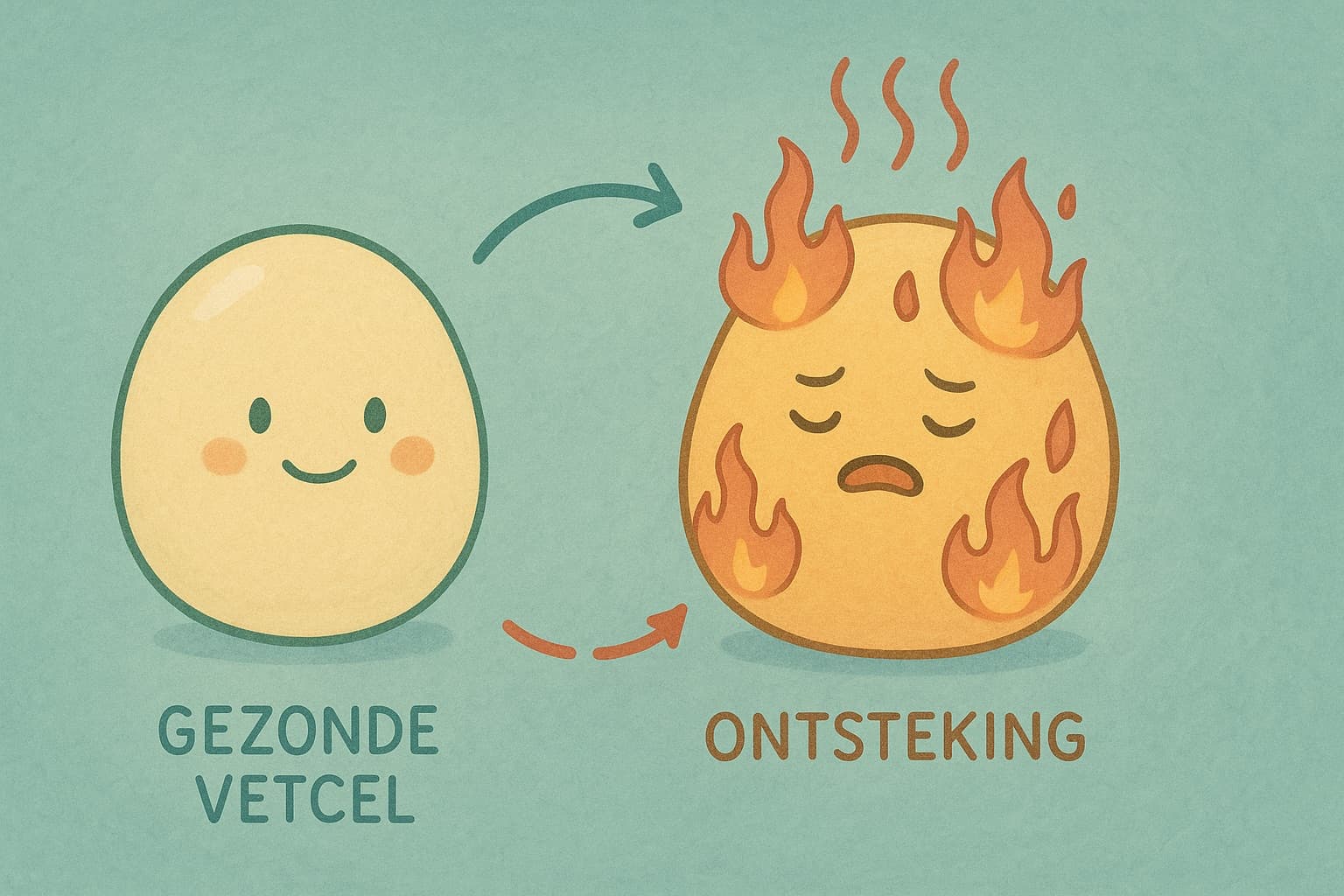
Ontsteking en obesitas: waar start de vicieuze cirkel?
Een diepgaande blik op de complexe relatie tussen obesitas en chronische ontsteking, hoe ze elkaar versterken, en hoe leefstijl en nieuwe behandelingen zoals GLP-1 medicatie deze cirkel kunnen doorbreken.