

Calculate BMI for men
Men tend to have more muscle mass and are more likely to store fat around the abdomen. That makes BMI a good first check, but waist circumference often tells you just as much.
- Normal
- up to 94 cm
- Increased risk
- 94 – 102 cm
- High risk
- above 102 cm
In cm of meters.
In kilogram.
Why weight works differently for men
Men tend to store fat around the abdominal cavity (the apple shape). This visceral fat sits around your organs and has a greater impact on your health than fat stored under the skin.
That's why BMI is often a fine first check for men, but waist circumference tells you more about your actual risk. Two men with the same BMI can have very different risk profiles, depending on where the fat is stored.
- Cardiovascular disease
- Belly fat is strongly associated with a higher risk of heart attack and stroke.
- Type 2 diabetes
- Fat around the organs disrupts insulin regulation.
- High blood pressure
- Excess weight puts more pressure on your blood vessels.
- Sleep apnea
- Extra tissue around the throat and airways causes breathing pauses during sleep.
- Lower testosterone
- Often reversible with weight loss, with positive effects on energy and libido.
The approach: preserve muscle, lose belly fat
Men tend to lose a significant amount of muscle mass during rapid weight loss. That's not ideal: muscles burn calories at rest. Less muscle means a slower metabolism and weight coming back on more easily.
What helps: enough protein (1.6 to 2.0 grams per kg), strength training 2 to 3 times a week, and a moderate deficit, not an extreme one. Even with medical supervision and GLP-1 medication, less appetite can quickly mean too little protein, so mindful eating still matters.
With a BMI of 30 or above, or 27 with symptoms, our doctor will assess whether medication is appropriate. Always combined with coaching on nutrition, movement and sleep.
General information
about GLP-1 medication.
Below you'll find an overview of the best-known GLP-1 medications. This is general, informational content. Which medication, dosage or treatment is right for you is always determined by a doctor during a personal intake, alongside lifestyle guidance.
Semaglutide at a higher dose, specifically registered for weight management in adults with overweight or obesity.
- Active ingredient
- Semaglutide, a GLP-1 receptor agonist at a higher dose.
- Usage
- Once a week via a subcutaneous injection using a specially designed pen.
- Target group
- For people with obesity (BMI ≥30) or overweight (BMI ≥27) with weight-related conditions.
- How it works
- Mimics the natural GLP-1 hormone, reduces appetite, slows gastric emptying and improves satiety.
- Potential weight loss
- An average of 16.9% in clinical research after 68 weeks, at the highest dose.
- Side effects
- Mainly nausea, gastrointestinal complaints and fatigue. These usually decrease over time.
This medication is available on prescription only and should be used under professional medical supervision. A personal screening and regular check-ins are essential for safe and effective treatment. This medication is not covered by health insurance.
BMI for men,
questions and answers.
- Is BMI a reliable measure for men?
- For most men, yes, as an initial indication. For athletes and strength trainers with a lot of muscle mass, BMI can be an overestimate. Waist circumference is then a better additional measure.
- Why do men tend to carry more belly fat?
- Due to hormonal differences, men are more likely to store fat around the abdomen (visceral fat). This type of fat storage carries a higher risk for the heart and blood vessels than fat around the hips and thighs.
- How much weight loss is realistic for men?
- With medical supervision, losing 5 to 10% of body weight within 3 to 6 months is common. With certain medications, this can rise to 15 to 20% over the longer term, depending on lifestyle.
- Does losing weight affect testosterone?
- Yes. Being overweight can lead to lower testosterone levels. Weight loss generally helps bring those levels back to normal, which has a positive effect on energy, libido and muscle mass.
- Should men focus on building muscle while losing weight?
- Strength training and enough protein (1.6 to 2.0 g per kg of body weight) help preserve muscle mass while losing weight. This is especially important with larger weight losses or when using GLP-1 medication.
- How long does treatment take?
- The duration depends on your starting point and goals. On average 6 to 12 months, sometimes followed by a maintenance phase to stabilise the weight you've reached.
Blog about medical weight loss
Read our articles about medical weight loss, lifestyle, nutrition, medication, obesity, exercise and healthy living.
Wegovy pil goedgekeurd in Europa: de eerste GLP-1 pil voor gewichtsbeheersing
De Europese Commissie heeft de Wegovy pil goedgekeurd als eerste GLP-1 pil voor gewichtsbeheersing in de EU. Wat is er precies goedgekeurd en wanneer komt de pil naar Nederland?

Orforglipron (Foundayo): wat de GLP-1-pil kan en wanneer hij hier is
De FDA keurde orforglipron op 1 april 2026 goed als Foundayo, de eerste GLP-1-pil zonder eet- of drinkvoorschriften. Wat de ATTAIN-studies laten zien, welke bijwerkingen erbij horen en wanneer het middel in Nederland te verwachten is.
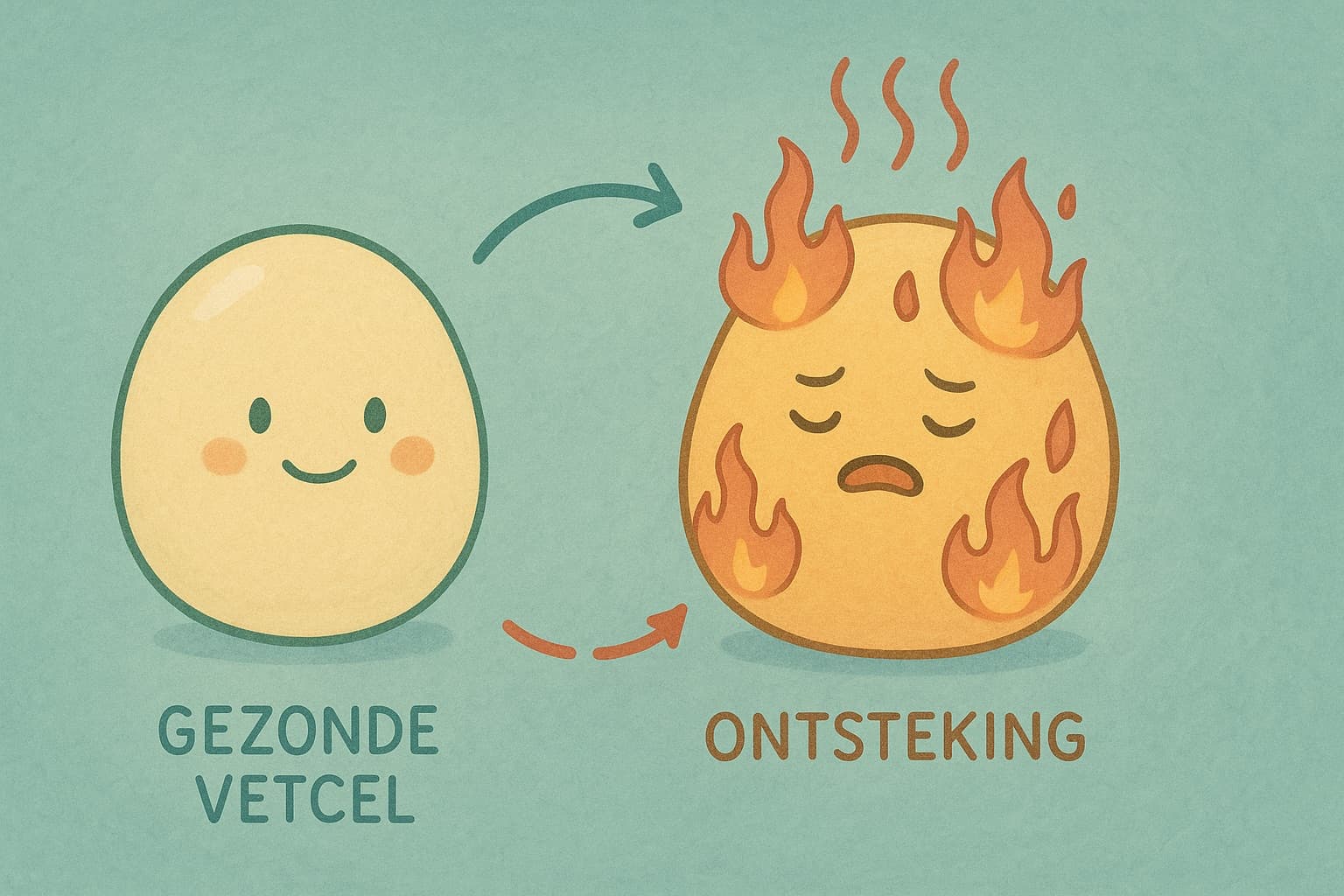
Ontsteking en obesitas: waar start de vicieuze cirkel?
Een diepgaande blik op de complexe relatie tussen obesitas en chronische ontsteking, hoe ze elkaar versterken, en hoe leefstijl en nieuwe behandelingen zoals GLP-1 medicatie deze cirkel kunnen doorbreken.